How Digital Transformation Is Changing the Way Businesses Operate in 2025
The business world in 2025 looks very different from a decade ago. Technology has reshaped how companies operate, how employees work, and how customers interact with brands.
From automation to artificial intelligence and data-driven innovation, digital transformation has become the main driver of business growth and competitiveness.
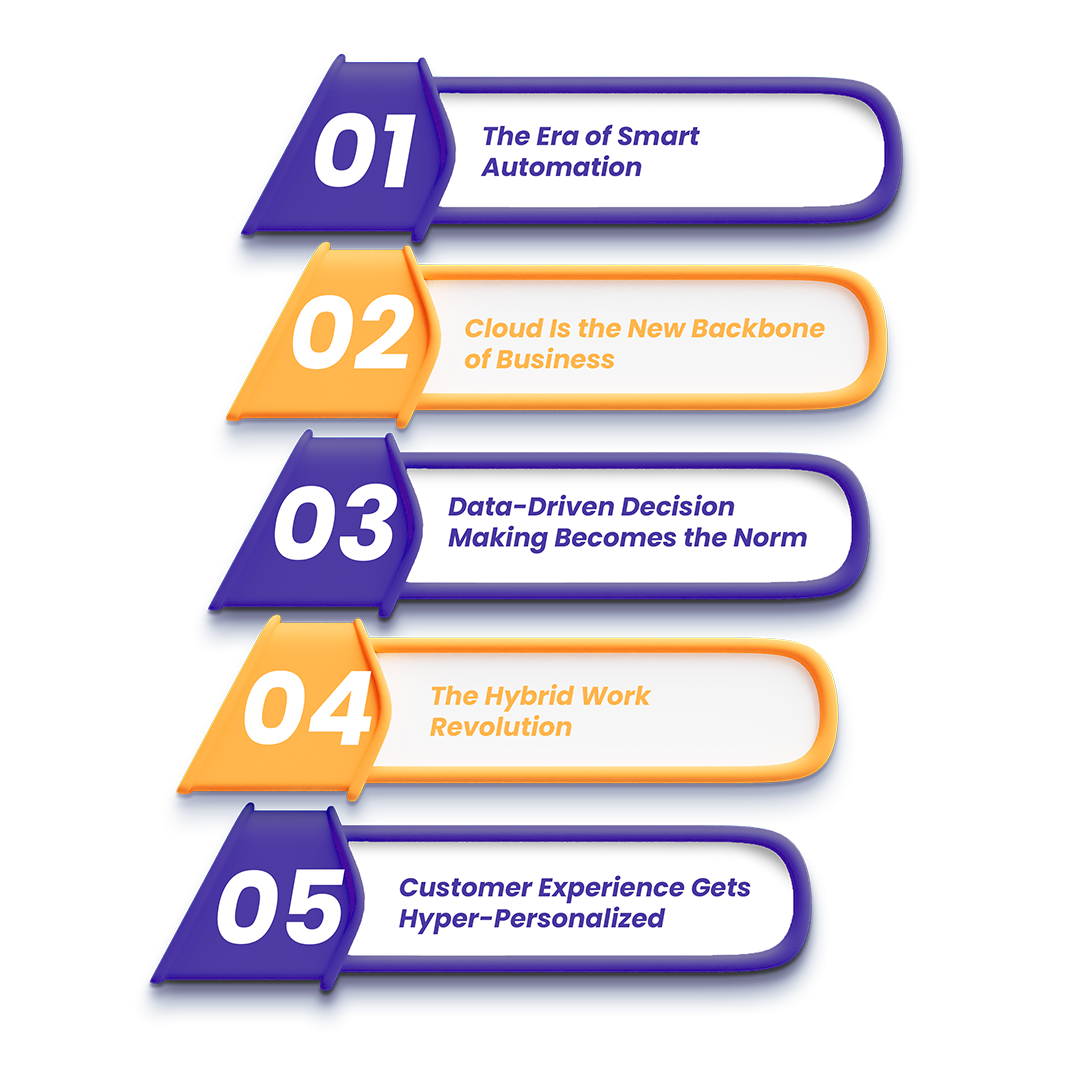
1. The Era of Smart Automation
Automation today is far more advanced than simple machine replacement. It now includes systems that learn and adapt. In 2025, many companies use AI-powered tools to streamline operations and reduce errors. For more insight, see McKinsey's AI adoption research.
ByteBillion Headquarters - Indore, India
Examples include:
- Manufacturing uses AI robotics for precise production lines.
- Banks automate customer verification and loan approvals.
- Support teams use chatbots that provide fast, human-like responses.
The combination of AI, Machine Learning, and Robotic Process Automation helps companies save time and focus on innovation. Many custom software development companies build automation systems using platforms like IBM AI.
Employees now spend more time on creative and strategic work instead of repetitive tasks.
2. Cloud Is the New Backbone of Business
Once considered a luxury, cloud computing is now the backbone of every modern enterprise. In 2025, businesses depend on cloud infrastructure for everything — from collaboration and file storage to advanced analytics and cybersecurity.
The cloud provides what physical systems never could — unlimited scalability, flexibility, and cost efficiency. With hybrid and remote work models becoming standard, employees need instant access to data and tools, no matter where they are. Cloud platforms like AWS, Google Cloud, and Microsoft Azure enable real-time collaboration across geographies, departments, and even time zones.
It's also transforming how startups and small businesses operate. Without heavy infrastructure investments, they can scale faster and compete with larger players. In short, cloud technology is democratizing business growth, making advanced technology accessible to all.
3. Data-Driven Decision Making
Data is no longer just an asset — it's the core currency of business strategy in 2025. Every click, purchase, and feedback point tells a story, and companies are listening. Businesses now rely on data analytics, predictive algorithms, and AI dashboards to make smarter, faster, and more informed decisions.
Examples include:
- Retailers predict trends from buying patterns.
- Healthcare providers create personalized treatment plans.
- Marketing teams run behavior-based campaigns.
This shift has redefined management itself — leaders no longer depend on intuition but on evidence-based insights. The result? More accurate forecasting, reduced risks, and higher ROI.
4. The Hybrid Work Revolution
The pandemic triggered a work-from-home revolution — and digital transformation turned it into a sustainable, productive model. By 2025, hybrid work has become the norm rather than the exception. Offices are now collaboration hubs, while employees work remotely when it suits them best.
But beyond tools, hybrid work has redefined organizational culture. Companies now measure success by outcomes, not hours spent at a desk. Employees enjoy flexibility, autonomy, and better work-life balance — leading to happier teams and better results.
5. Personalized Customer Experience
Businesses that fail to understand their customers are simply forgotten.
Using AI, big data, and analytics, brands now create hyper-personalized experiences that connect with people on an emotional level.
- Streaming platforms recommend content based on preferences.
- E-commerce predicts what users may buy next.
- Fintech apps give tailored financial tips.
In this new digital age, personalization isn't an advantage — it's an expectation. Customers are loyal not to brands, but to experiences that understand them.
6. Cybersecurity as a Priority
With great digital power comes great responsibility. As technology expands, so do cyber threats. In 2025, cybersecurity has evolved from a technical department issue to a strategic business priority.
Modern cybersecurity uses AI-driven monitoring, end-to-end encryption, and zero-trust frameworks to detect and prevent attacks in real time. Cloud security, multi-factor authentication, and biometric verification are no longer optional — they are essential.
7. Sustainability and Digital Innovation
Another major transformation happening in 2025 is the intersection of technology and sustainability. Businesses are using digital tools to reduce waste, track environmental impact, and adopt green practices.
- IoT sensors track energy use.
- Cloud reduces physical infrastructure needs.
- Blockchain increases supply chain transparency.
Companies that integrate eco-conscious digital strategies are not only reducing their carbon footprint but also attracting modern consumers who value responsibility and ethics.
8. Human and Digital Collaboration
The biggest misconception about digital transformation is that technology replaces people. In reality, the future of business is built on collaboration between humans and machines. AI handles the repetitive and analytical, while humans focus on empathy, creativity, and leadership.
- AI drafts reports while humans guide strategy.
- Automation handles logistics while teams build partnerships.
- Data tools forecast demand while leaders set direction.
The most successful companies in 2025 are those that understand that technology doesn't eliminate jobs — it evolves them.
Final Thoughts
Digital transformation is changing how companies operate and compete. Organizations that adopt modern cloud consulting services can stay ahead in a fast-changing marketplace.
With the growing need for advanced digital solutions, services like web development, mobile application development, and AI/ML-driven automation are becoming essential for long-term success. The organizations that embrace these technologies today will be the ones leading the future.
Companies that embrace digital transformation today will lead tomorrow.